

December 16, 2025
Welcome to this month’s edition of the Entoro Insurance Services Newsletter! Mergers and acquisitions (M&A) bring enormous opportunities—but they also introduce complex risks at every stage of the transaction. Whether you’re a buyer, seller, or private equity group, aligning insurance with deal structure is essential to protecting asset value, reducing uncertainty, and ensuring a smooth post-close transition.

Mergers and acquisitions (M&A) bring enormous opportunities—but they also introduce complex risks at every stage of the transaction. Whether you’re a buyer, seller, or private equity group, aligning insurance with deal structure is essential to protecting asset value, reducing uncertainty, and ensuring a smooth post-close transition.
This month, we explore how insurance solutions—including Representations & Warranties (R&W) insurance, D&O runoff, and integration-phase planning—support successful deal execution.What’s Changing — Key Regulatory Developments.

1. Representations & Warranties (R&W) InsuranceR&W insurance has become a staple in modern transactions. It protects buyers (and sometimes sellers) when a representation in the purchase agreement turns out to be inaccurate.Key Advantages:
EIS helps clients evaluate policy terms, negotiate coverage, and coordinate with underwriters to structure protection that mirrors the specifics of the deal. 2. D&O Runoff CoverageWhen acquiring a company, leadership transitions often create exposure for former directors and officers. Runoff coverage ensures those individuals remain protected for claims arising from actions taken before the closing date.Why it matters:
EIS assists by securing runoff terms that meet transaction timelines while preventing gaps in leadership protections. 3. Risk Planning During Post-Close IntegrationAfter the deal closes, operational integration creates new vulnerabilities—from cyber risks to employee claims, compliance obligations, and coverage overlaps.Integration-phase insurance planning includes:
EIS works with clients to reassess risk after closing and ensure the combined organization’s coverage remains aligned with strategic goals.
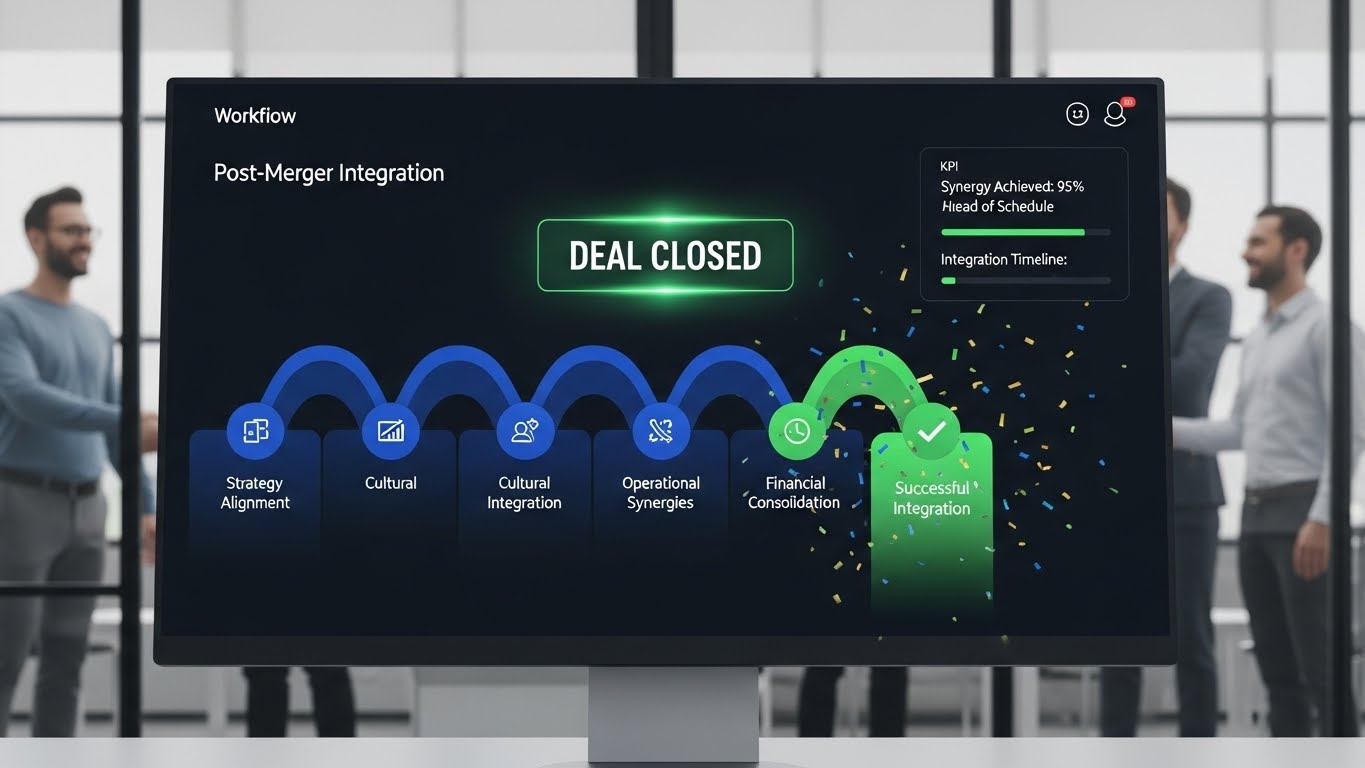
A private equity group acquiring a manufacturing company faced roadblocks during diligence. The seller had limited documentation for historical liabilities, and underwriters were concerned about operational transitions across three states.
EIS Solution:
Challenge:
Outcome: The deal closed on schedule with reduced escrow requirements, clean liability separation, and a clear risk strategy for the newly formed platform.
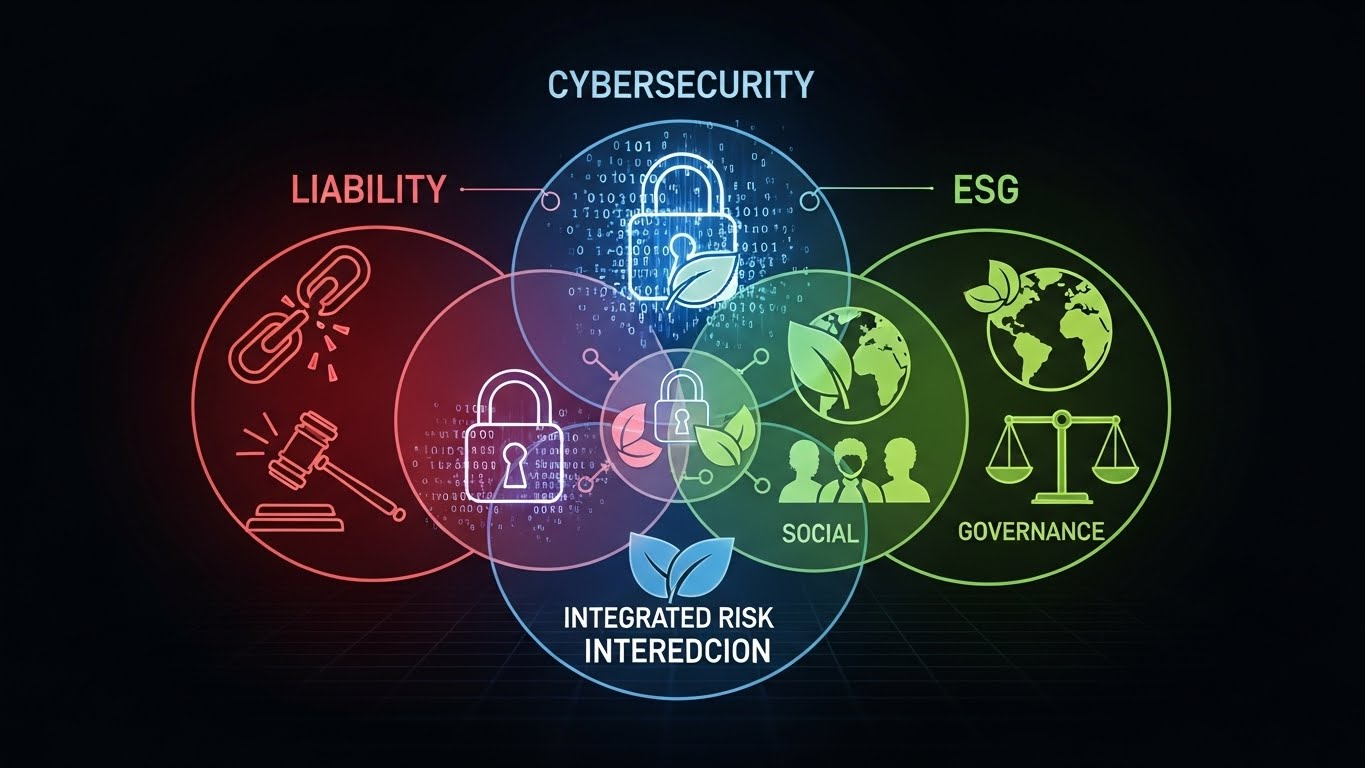
As deal activity continues to rise, insurance is playing a larger strategic role across the transaction lifecycle. Emerging trends include:
In a competitive market, firms that plan their insurance strategy early gain speed, protection, and negotiation advantages.