

November 18, 2025
Welcome to this month’s edition of the Entoro Insurance Services Newsletter! Traditional insurance models often rely on lengthy claim processes and complex loss assessments. In contrast, parametric insurance introduces a faster, data-driven way to protect against measurable risks.

Regulatory momentum is reshaping the insurance landscape, from new cybersecurity mandates to evolving disclosure standards and revised liability laws. These updates influence how coverage is underwritten, how renewals are evaluated, and what businesses must do to stay compliant.
Below is a simplified breakdown of the most important regulatory changes affecting business insurance today.

What’s Changing: Key Regulatory Developments
Cybersecurity Requirements Are Tightening
Regulators are imposing stricter cyber controls and response protocols. Businesses should expect more documentation requests and higher security thresholds before carriers bind or renew cyber coverage.
ESG Reporting Is Becoming Standard Practice
Insurers increasingly evaluate corporate transparency, operational resilience, and governance practices as part of underwriting. Well-documented environmental and governance reports can strengthen a company’s risk profile and negotiating position.
Department of Labor (DOL) Worker Classification Rules
Updated guidance affects how employees, gig workers, and contractors are categorized. Misclassification can lead to gaps in workers’ compensation, EPLI coverage, and benefit structures.
State Liability Laws Continue to Evolve
States are revising negligence and liability frameworks, impacting general liability pricing and claims exposures. Multistate businesses should monitor these differences closely to avoid unexpected compliance issues.
How It Affects Your Insurance Strategy
At EIS, we help clients anticipate these changes and prepare the right information to secure complete, compliant coverage.
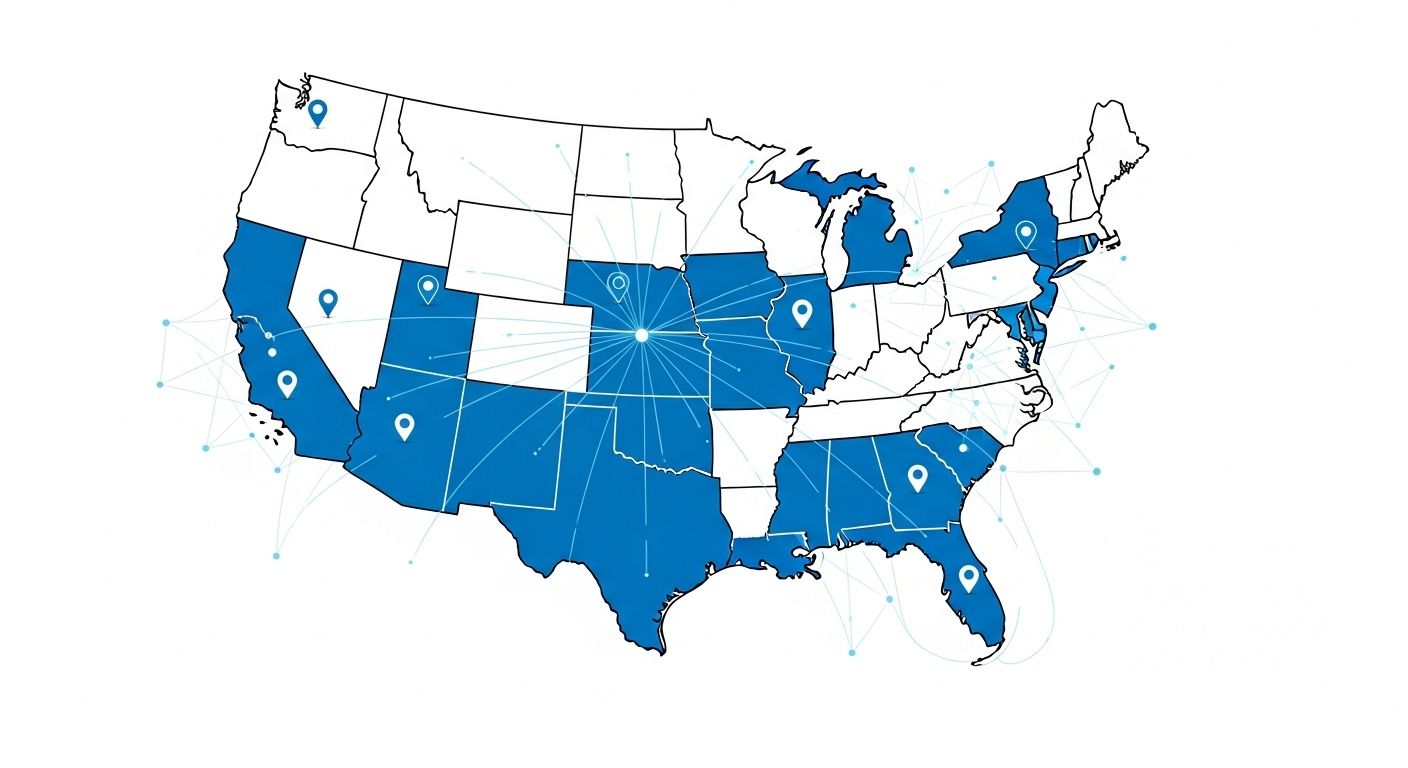
Helping a Multistate Retailer Stay Ahead of New Liability Rules
A regional retailer operating in five states faced complications during their policy renewal. Two of the states had recently updated liability statutes, increasing potential exposure for customer injury claims. Their insurer requested extensive documentation, and the renewal process began falling behind schedule.
EIS stepped in to manage the process and strengthen coverage:
Outcome:
The retailer secured better terms, avoided compliance penalties, and gained clarity on managing liability risks across multiple jurisdictions.
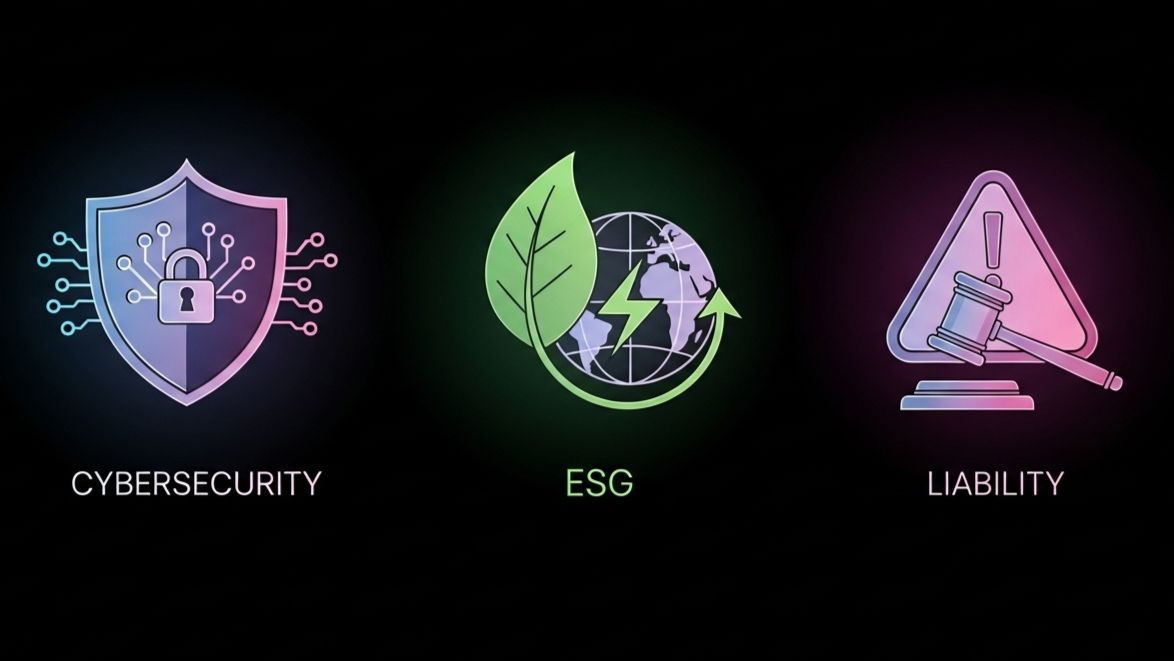
Regulatory shifts aren’t just administrative hurdles, they’re indicators of how risk is evolving in the broader economy. Here are trends to watch:
As regulations evolve, the businesses that embrace compliance as a core pillar of risk management will benefit most.